
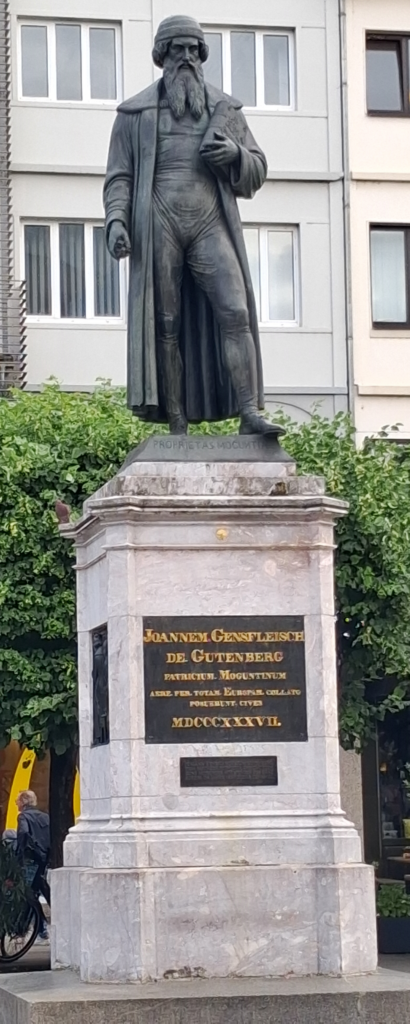
EuroBrake 2026 happened last week in Mainz, the city of Gutenberg. I must say it has been a very good edition with improved overall quality considering the past few years.

welcomed EuroBrake 2026

Besides the traditionally pleasant networking and catch-ups with friends, the presentations’ level significantly improved. I see it as a marker of maturity concerning the topics that were raised in the past years. I’ll discuss this general impression on three aspects, innovation, particle emissions and of course NVH.
Innovations
Nice to see that new ideas are emerging and progressing throughout the years such as Point Zero ZEDS brake concept using a magnetorheological fluid instead of dry friction to generate torque.
Mercedes Benz showcased new in-drive brake solutions, using multi-discs and hydraulics. These solutions are used for example in agricultural tractors, or by aviation with dry carbon discs, we will see how the adaptation to the automotive industry evolves.
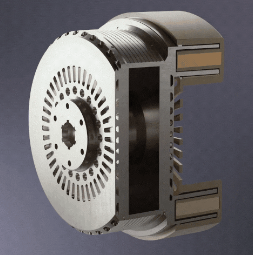
(source: https://www.point-zero.it/technology/)
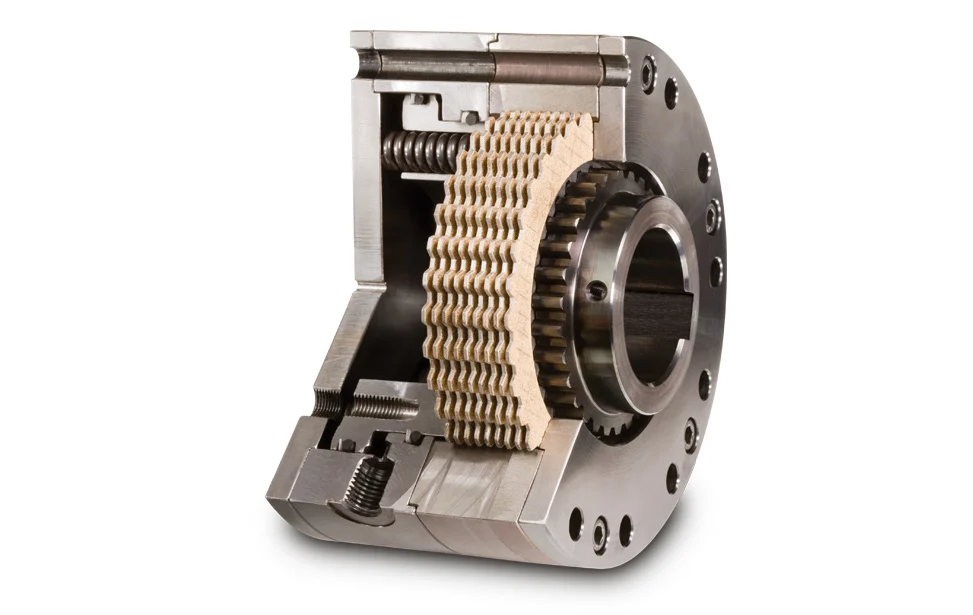
(source: Warner Electric)
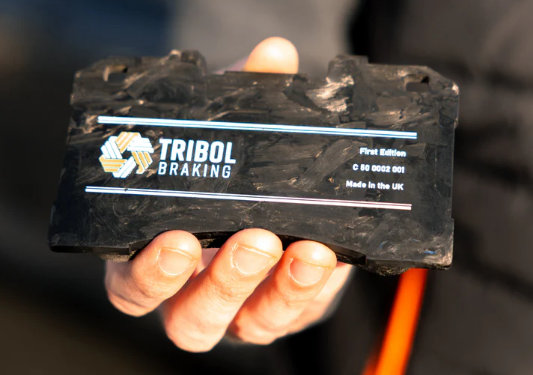
(source: Tribol Braking)
Other solutions with composite backplates from Tribol Braking show very interesting potential regarding light-weighting, pad damping, and added design freedom.
Particle Emissions
Passed the buzz and agitation phase, the first round of Ph.D. theses on the subject are coming into completion, and with that deeper insights and rational work linked to tribomechanics. One could also notice the involvement of Railway in the subject. There is of course a lot going on at every level from measurement to toxicology. My attention was caught by what tribomechanics bring to the subject. Pressure fields, third body, particle flows, plateau aggregations are the underlying mechanisms of particle generation and emission. It is nice to see that the theory is progressing.
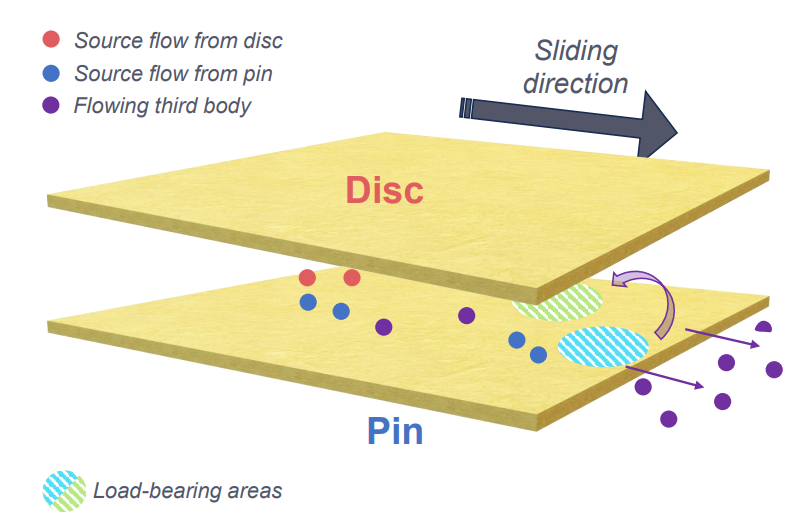
(source: hal-05483676)
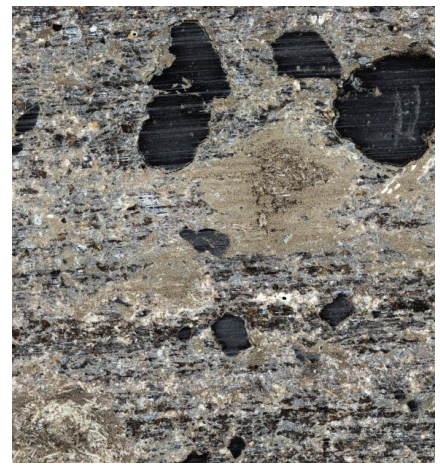
Tribomechanics illustrations from: Maël Thévenot, Jean-François Brunel, Florent Brunel, Mathis Briatte, Yannick Desplanques, et al.. Identification of particle emission mechanisms during dry friction with thermomechanical operando monitoring. 2026. ⟨hal-05483676⟩
I expect to see progress in wear modeling, and documentation of emission dependency on pressure, temperature, real driving cycles, test bench sensitivity, etc…. I particularly appreciated the communications from LaMcube and TU Berlin . A hint caught my attention with a case linking higher particle emissions to a vibrating brake. This behavior is intuitively expected, hope to see at which scale this develops.
NVH
Noise is coming back, due to particle emission countermeasures and lightweighting. Newer systems bring updated challenges. Now that these projects are getting into maturity phase, refinement happens. Disc coating induces higher friction coefficients at low speed, and with it steeper and extended negative friction slopes. Stick-slip instability can arise and excite other squeal modes at a broad frequency range, including higher frequency in-plane disc modes.
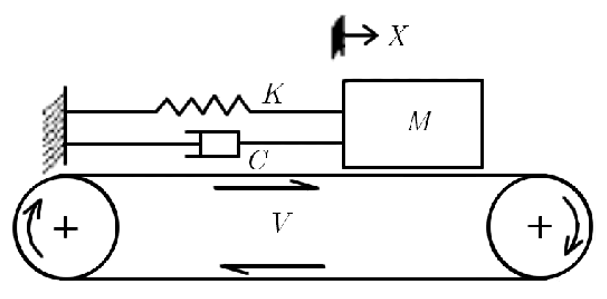
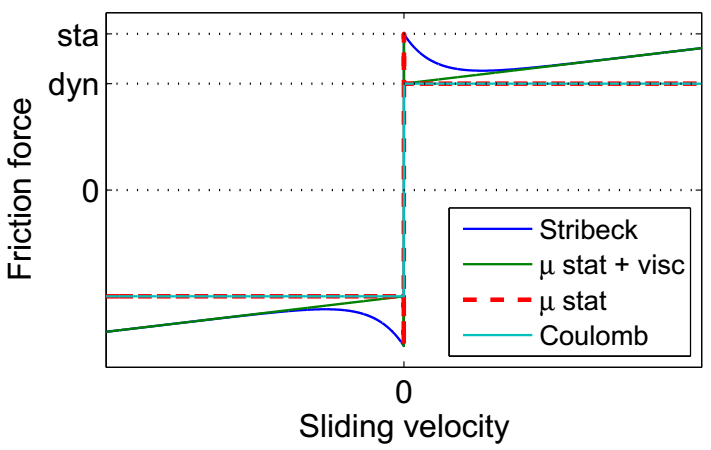
(source: Past publications)
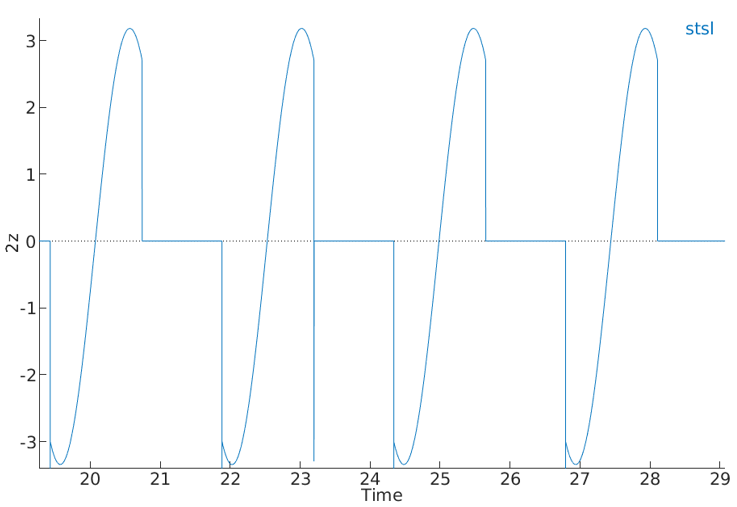
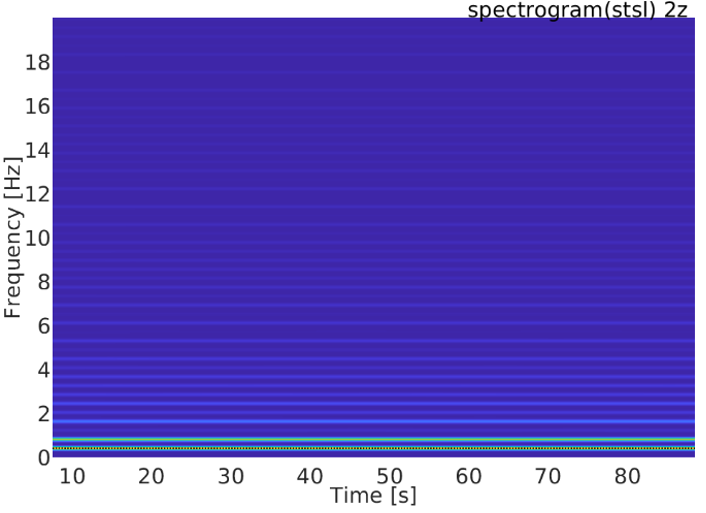
A clear simulation challenge now concerns damping modelling. The negative friction coefficient curve slope induces a destabilizing effect acting as a negative damping. To identify risky modes in simulation, other damping levels must be assessed to estimate the brake system’s compensation potential, as clearly discussed by Aumovio.
In such assemblies, damping sources are limited regarding the component’s materials outside of the liner, and some work characterizing damping of hard coated discs. Most damping occurs at interfaces. Connections and fasteners modelling in subassemblies is thus a clear working target. Damping synthesis is a delicate subject for which VibTwin can bring a lot of help!
Let’s hope the momentum will keep up and I will wait for the next EuroBrake edition in Barcelona 2027!